 Credit: http://sdagaviation.com/info

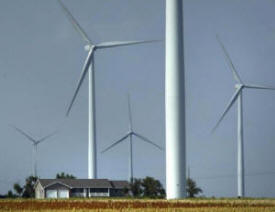 The following is from a presentation by Anne Dumbrille, Chair of CCSAGE at the Annual General Meeting held at Bloomfield Town Hall, Saturday, May 5, 2018
SOURCE: CCSAGE
Welcome everyone, special welcome to our MPP Todd Smith, Acting Mayor Dianne O’Brien and Councillor Steve Ferguson.
I am giving an update on what is happened in Ontario regarding turbines in the last year. The Good, the Bad and the Ugly – not always in that order.
Good
Slide 3
Slide 4
Noise from turbines consists of audible and low frequency noise/ infrsound –these affect brain waves but may be inaudible.
It was also established that the current method adopted by windfarms to measure noise (including in Canada) — the dB(A) scale, is not suitable for the task, as it does not measure the lower frequency range. The dB(A) scale averages out the sound levels, masking the highest levels and rate of change of noise that could be causing harmful health side-effects.
This is consistent with what the UK noise association said in 2006. 12 years ago.
MOECC still will not address infrasound.
Slide 5
The Environmental Commissioner’s office wrote a report criticizing the government for approving 100% of turbine company permits to kill harm and harass endangered species.
Slide 6
But – BAD they followed that up with one that makes superficial and false statements on the health impacts of wind turbines. She says there is no link between wind turbine noise and health effects — based on ERT conclusions. She does not say that it is next to impossible to win an ERT appeal on health. She said that noise impacts are controlled through setbacks and noise limits in the REAs.
What of the over 4500 records of health/noise complaints filed by people living near turbines in Ontario with the government since 2006? And the out-of-compliance turbines. This is important as if the local turbines are built, they may not be noise compliant.
Slide 7
Bad-Turbines have been out of noise compliance with poor-to-totally lacking government response:
Port Elgin has one (Unifor) turbine – and have been complaining for years about the noise. Finally MOECC said that noise testing did show that it was out of compliance. A noise abatement protocol has to be put in place. The engineering report was filed with the MOECC in January, and then to the wrong Municipality in March – and finally to those affected. There is to be repeat testing in June–if it is out of compliance again -then what? Unknown.
Complaints regarding the Huron-Bruce Turbines in K2 Wind power project led to noise testing a year ago. Turbines were found to be out of compliance with Ontario regulations (April 2017). Since then, MOECC has done nothing.
Kincardine area has made multiple noise complaints over years, have been told testing is ongoing, but somehow, the tests are never completed, and the problem continues. In December they were told by MOECC that nothing was being done. And MOECC will not respond to complaints during an audit. The audit process started in December 2011 and is still not complete.
Slide 8
Slide 10
Slide 9 Bad: However:
Slide 11
Slide 12
Brilliant:
Slide 13
Ugly
MOECC’s response — While there’s been an admission that wells have indeed been contaminated, contamination can only be attributed to “unidentified factors.” They maintain that pile-driving activities associated with wind turbine development are not to blame. This conclusion was based on evaluations prepared by the power developer’s consultant.
MOECC say that you should only test your water for bacteria.
Quinte Region Proposed Source Protection Plan Version 8.1 Aug 2012: Section 2.4: “Due to the shallow soil conditions, the entire Quinte area was identified and mapped as a highly vulnerable aquifer. This designation was a direct result of the ease with which a contaminant can move into the underlying fractured bedrock aquifer.”
Slide 14
* http://www.caithnesswindfarms.co.uk/fullaccidents.pdf
But it gives information on a cross-section of accidents: –
Slide 15
Slide 16
CONCLUSION
Bayshore Broadcasting|Tiverton | by Kevin Bernard|May 8, 2018
Repairs are ongoing, and should be finished this week.
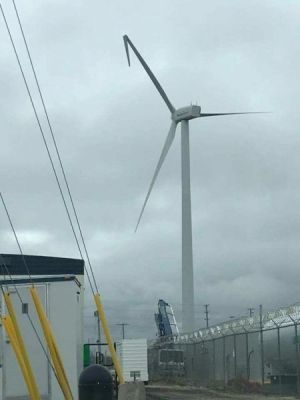
Those high winds last Friday that knocked down tree limbs and power lines, also damaged a wind turbine at Bruce Power.
Gusts of about 100 km/h rolled in off Lake Huron around 3pm that day, and one of the tips on a turbine was broken.
Bruce Power Manager of Communications and Media Relations, John Peevers says as soon as the issue was noticed, the 5 wind turbines jointly owned by Bruce Power and its partners were turned off.
Bruce road 20 was also closed in the area of the Visitors Centre, which is close to the turbine that was affected.
~~~~~~~~
“The turbines remain idled while workers investigate whether the 4 others are safe, and while repairs are done to the one wind turbine.
Peevers says Bruce road 20 remains closed and won’t likely open until later this week.”
High winds raced bucking and veering across Ontario and lead to high wind warnings. A wind turbine blade failure was reported in Huron County. The trailing edge of the turbine blade was seen detaching itself when the alert was raised. The wind project was built in 2002 consisting of 5 Vestas V80.
The failure happened during high winds experienced on May 4, 2018. Local wind speed monitor at the location (about 10 km west of the failure site) showed a maximum of 27 m/sec at 7 metres elevation.
Wiarton weather station showed 10 metre wind speed max as SW 53 km/hr, gusting to 82 km/hr (23 metres per second)
Goderich weather station showed 10 metre wind speed max as 51 km/hr, gusting to 78 km / hr (22 metres per second)
Adjacent roadway to the turbine was reported as closed. It was not clear if any pieces of the blade were on ground at the time the photos below were taken.
Wind turbine damaged near Bruce Power Visitors Centre|By Troy Patterson, Kincardine News and Lucknow Sentinel|Friday, May 4, 2018
Note the failure of the turbine blade as the edge becomes detached in the following photos.



Citizens’ group charges Environment Minister with violation of Environmental Protection Act
May 1, 2018, Toronto, 10:00 EDT – The president of Wind Concerns Ontario (WCO), a volunteer-led coalition of 30 community groups and many Ontario families, has filed a private prosecution against the Honourable Chris Ballard, Minister of the Environment and Climate Change (MOECC), for violating Ontario’s Environmental Protection Act (EPA).
Private prosecutions are important tools in empowering private citizens to hold those persons in power to account.
The EPA prohibits anyone from permitting the “discharge of a contaminant into the natural environment, if the discharge causes or may cause an adverse effect.” Adverse effects listed in the EPA include “an adverse effect on the health of any person,” “harm or material discomfort to any person” and “loss of enjoyment of normal use of property.” (Section 14 subsections 1 and 2)
“We don’t take this step lightly,” says Jane Wilson, WCO President and a Registered Nurse, “but with the MOECC not responding to thousands of reports of excessive noise from wind turbines, which is affecting sleep and health for Ontario families, we had no choice. These are examples of adverse effects that Minister Ballard should not be permitting to continue.”
WCO recently received MOECC documents under a Freedom of Information request that showed thousands of unresolved reports of noise, many with staff notes about sleep disturbance and health impacts. Between 2006 and 2016, there were more than 4,500 recorded reports, 35% of which contained staff notes about adverse health effects; between 2015-2016, the MOECC response rate to the reports of excessive noise was less than 7%.
“Citizens report going without sleep for days, weeks, even months,” said Wilson. “Sleep disturbance is linked to other health problems such as high blood pressure and diabetes. Mr. Ballard, as steward of environmental protection in Ontario, is responsible for allowing this environmental noise pollution to continue.”
On April 30, 2018, Mr. Ballard was served with a summons to appear before the court on May 17, 2018.
CONTACT: Jane Wilson president@windconcernsontario.ca
READ MORE @ Wind Concerns Ontario: Ontario Environment Minister served with summons on violation of the Environmental Protection Act
 Spring has returned and with it turkey vultures
( Scientific name: Cathartes aurahave). These raptors soar long distances riding high on thermals of air with long outstretched wings. They hunt not by sight, but by an acute sense of smell searching for carrion to feast upon. Social, gregarious and highly intelligent they are often seen flying, feeding and roosting in communal groups.
One of their unique forms of protection against threats is the ability to projectile vomit acidic stomach contents at will. Difficult birds to launch from the ground they take running leaps to lift off and can jettison stomach contents to lighten their weight to aid becoming airborne. They are meticulous about their personal hygiene and serve an essential function as clean- up crews for the environment.
A kettle of turkey vultures seen thermalling in the blade sweep of an Enercon wind turbine part of Niagara wind project. (Video filmed April 2018)
Notice the wind turbine blade sweep movement results in driving a bird downwards out of a soaring climb.
Turbine blade sweep is part of increasing environmental habitat fragmentation and disruption created by wind facilities construction and operations. Mortality strikes (kills) occur in airspace directly disrupted by turbine blade sweeps. As increasing numbers of wind turbines are erected increased adverse environmental impacts are occurring for avian species. Habitat disrupted or avoidance= habitat loss.
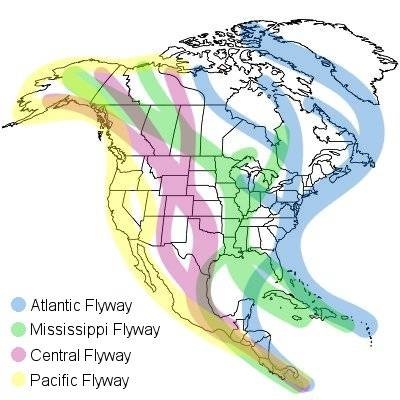
Impacts are not only local but include those on a global scale. Flying the global flyways has become an even more dangerous journey with annual migrations spiked with increasing 1000s of wind turbines. Wind power is disrupting avian movements and prefered habitat use on a local and world-wide basis which begs the question: How sustaining and green is that?


Posted Apr 9, 2018 Christian Courier / by Jessica Brooks / in Media & Culture
In the article “Renewable Energy’s Dilemma” (CC Jan. 22), Candice Goodchild introduced the perspective of a grassroots group in Chatham-Kent, Ontario called Water Wells First. This group was formed to protect the sensitive aquifer in the area from vibration damage caused by the construction and operation of industrial wind turbines (IWT). I am a member of that group, and I would like to share my story with you.
My family and I live inside the footprint of the North Kent Wind 1 (NKW1) project, built in the northeast part of Chatham-Kent, Ontario. The wind farm is built and managed by Pattern Energy (out of Texas) and Samsung (out of Korea). We live on an acre of land, surrounded by farmland. We have enjoyed quiet country living that included an unlimited supply of good, clean water from our well. However, last summer, during the construction of the NKW1 project, our property was surrounded by three pile drivers. The particular style of construction for industrial wind turbines requires the use of piles to support the foundations. In this case, 18 to 24 piles are used for each of the 34 wind turbines in this project. Three turbines were erected within one kilometre of our house.
Pile driving began on July 27, 2017. The next day, while my husband was in the shower, the water stopped running. Upon investigation we found that the sediment traps we had installed on our water line were choked with thick, black sediment – something we had never seen before.
Chatham-Kent sits on a unique geological bedrock formation called Kettle Point Black Shale. The aquifer that feeds hundreds of wells in Chatham-Kent is shallow and quite fragile. It rests on that black shale, trapped in layers of glacial sediment. Black shale is known to naturally contain lead, mercury, arsenic and uranium.
In 2012, the East St. Clair wind project was constructed in northwest Chatham-Kent, which has the same black shale formation as other areas of the county. Many well owners in the area experienced the same black water we found in our well.
Health hazards
Investigation by private citizens and scientists hypothesized that the vibration from pile driving and the operation of wind turbines had disturbed the aquifer under the East St. Clair project, causing the release of sediments into the aquifer. As a result, the water turned black from the shale particles. When the NKW1 project was to begin, farmers and residents from the area mobilized to inform government officials about the potential danger to the aquifer from pile driving. This became the group Water Wells First. Our warnings and pleas were ignored, and construction began.
Today more than 20 wells within the footprint of the NKW1 project are experiencing black water. Many of these families had received water tanks from the wind company, which was required by the Renewable Energy Act permit – an alternative water supply in the case of any well issues during construction. Our family has had a tank on our property since the first weekend of August. It froze during the coldest winter days, and ran dry when there were delays in delivery, or when the hose leaked. At the time of writing, we have been informed that the tank will removed from our property by the end of March…
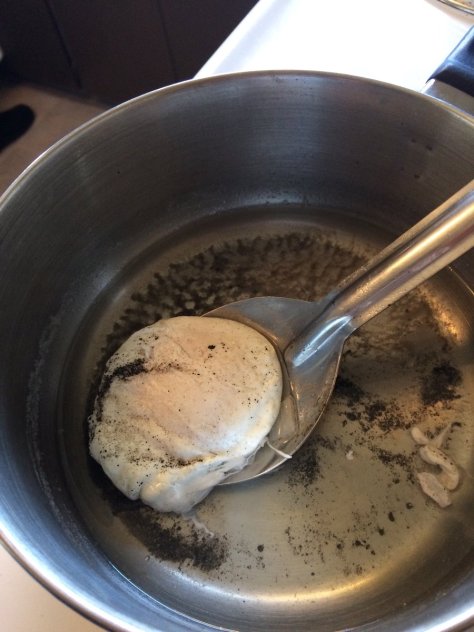
Today I attended the @WaterWellsFirst press conference. The egg shown in the picture was prepared with the contaminated well water that the Province says is safe to drink. Would you eat this egg @Kathleen_Wynne ? #healthhazzardstudynow pic.twitter.com/4TJXeSKcoq
— Mayor Todd Case (@ToddCaseLKM) April 11, 2018
Never assume|The Chatham Voice|April 11, 2018
The people of Chatham-Kent aren’t stupid and it makes us a little angry when the powers that be assume we are.
The news this week about the EBS Geostructural Consultant blog that had a key phrase removed regarding the company’s advice to Hydro One about using micro-piling methods instead of deep piling to avoid “potential for driven pile installation to cause issues with nearby active water wells” is disturbing on so many levels.
First, the advice to Hydro One is proof at least one government agency used alternative methods of pile-driving to avoid disturbing area water wells, with the blessing of the Ministry of the Environment, as the blog states.
Second, it refutes the claims by the North Kent One wind farm that there couldn’t possibly be any connection between deep pile driving methods used to construct the turbine foundations and the complaints of sediment contamination in several water wells in the project area.
And finally, removing the line referring to water wells doesn’t make us “unsee” the information. We now know at least one government agency – Hydro One – sought advice on how to construct towers with the least impact to area wells and went with that advice, keeping in line with the company commitment to “identify and evaluate environmental risks to ensure that hazards are eliminated or controlled” as it states on its website.
So asking us to disregard what we read because it wasn’t being “used properly” and expecting us to believe this advice is not in any report to Hydro One is utterly ridiculous and, frankly, insulting.
If Samsung and Pattern are going to stick to their assertion their construction methods couldn’t possibly be the problem for well owners, and if the environment ministry and municipal officials are going to buy into that when other sources say otherwise, it is time for us all to demand better from our deciison makers.
The well owners have been dealing with dirty water for long enough. We need to start questioning why the environment ministry and the municipality are letting the turbine companies dictate what we consider unsafe for our rural residents, and why these well owners have to fund their own investigation into the potential carcinogenic sediment in the water the government insists is safe to drink.
And because our chief medical officer of health says so isn’t a good enough reason. Until the governments – local and provincial – step up and demand answers from an unbiased third party, we will continue to be treated as naïve sheep who need to be neither seen nor heard.
Yeah, we don’t think so.
An eleven-year-old boy spoke to the Chautauqua County Legislature:
“I’ve spent my 11 years on Earth in this town. My parents have worked so hard for the place we have. They’ve made the land that I live on home. And these wind turbines, they’re destroying it. My grandmother was born and lived briefly not even a half mile from where I live right now. I just can’t stand the thought of being forced from my home. And my town – by these windmills. I went out not two mornings ago, and I can’t even find peace and quiet outside without the sound of back-up alarms, bulldozers and cranes. Up on Straight Road there’s a giant crane already and they’re setting one up on Center Road. I don’t want to be forced from my home and I’m sure none of you would want to be forced from yours. Thank you for your time.”


Published: March 29, 2018|The Creemore Echo|Letters & Opinion By Trina Berlo
Editor:
It pains me to find that my faith in Ontario’s judicial system has turned into cynicism.
In the matter of appealing the Ministry of the Environment and Climate Change approval for WPD Corporation to erect eight 475-ft high wind turbines bordering County Rd. 91, west of the 4th line, (Fairview Wind Farm) a long, thorough and expensive Environmental Review Tribunal (ERT) Hearing was held in the summer of 2016
Two issues were addressed:
• Endangerment to human health, citing their proximity to the Collingwood Regional Airport and Kevin Elwood’s aerodrome.
• Irreparable harm to an endangered species, citing the impact on the habitat of little brown myotis bats.
The ERT found in favour of the appellants on both issues! That should have been the end of it, with the MOE approval revoked.
Notwithstanding WPD having every opportunity to present remedial arguments during the hearing, the MOE, being unhappy with the results of the hearing, provided WPD an additional month to provide a remedial argument. WPD failed to do so. The MOE then allowed WPD another week, with WPD failing again.
However, WPD did concede the ‘Danger to human health’ issue. Again, that should have been the end of it, with the MOE approval revoked.
In complete disregard of the Tribunal’s ruling and WPD’s conceding the health issue, the MOE invoked the necessity of a remedial hearing. In other words, give us the ruling we want. Since the MOE appoints the ERT and pays their salaries (a conflict of interest) they applied unusual pressure on the Tribunal.
In spite of MOE’s meddling, the ERT rose to the occasion and again found in favour of the appellants. The MOE’s approval was revoked. There will be no Fairview Wind Farm… YEA!
If this is a sample of what we can expect of government manipulating the wheels of justice to further their agendas, we can only become more cynical.
It’s a slippery slope!
John Wiggins,
Collingwood.
 Mothers Against Wind Turbines Inc.